


A Financial Advisor’s Perspective, Scott Graves
In the roofing industry, competition can be intense. Homeowners often gather multiple quotes, insurance work can create pricing pressure, and contractors frequently feel the need to stay competitive in order to win jobs. Because of this, many roofing business owners fall into a dangerous trap: underpricing their work.
From a financial advisor’s perspective, underpricing is one of the most common reasons roofing companies struggle—or fail entirely. A business may appear successful from the outside, completing dozens or even hundreds of roofs each year. Yet behind the scenes, shrinking margins and overlooked costs slowly erode profitability.
Winning more jobs is not the same as building a healthy company. In fact, when jobs are priced too low, growth can actually accelerate financial problems rather than solve them.
The Illusion of Being Busy
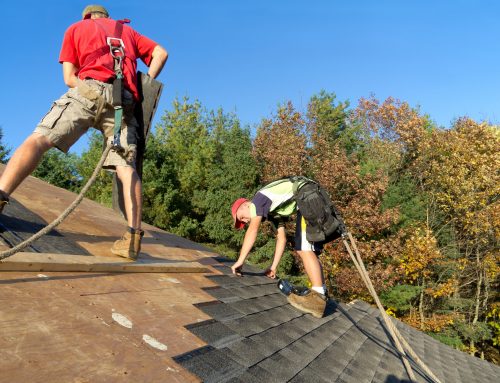
Many roofing contractors equate success with being busy. Trucks are on the road, crews are working every day, and the phone continues to ring. While these signs may indicate strong demand, they do not automatically mean the company is profitable.
When jobs are underpriced, the business may generate steady revenue but fail to produce meaningful profit. Expenses such as labor, materials, insurance, fuel, and overhead sales continue to rise while margins shrink.
Over time, the company becomes caught in a cycle of working harder just to maintain cash flow. Owners may feel constantly busy but never financially ahead.
This is one of the most dangerous positions a roofing company can be in.
Understanding True Job Costs
One of the main reasons contractors underprice their work is that they underestimate the true cost of completing a roofing project. While material and labor costs are usually accounted for, other expenses are often overlooked.
These may include:
- Equipment, maintenance and replacement
- Vehicle expenses and fuel
- Dump fees and disposal costs
- Office staff and administrative support
- Marketing and advertising
- Insurance and licensing
- Safety equipment and compliance costs
These expenses fall into the category of overhead, and they must be covered by the revenue generated from each job.
If overhead is not factored into pricing, the company may unknowingly take on projects that do not contribute enough to support the business.
The Risk of Competing on Price
Another reason roofing companies underprice their services is the desire to win jobs by offering the lowest bid. While this approach may attract customers in the short term, it can create long-term financial instability.
Competing primarily on price often leads to a “race to the bottom,” where contractors continuously lower their bids to outcompete others. In this environment, profit margins shrink and quality may suffer as companies attempt to reduce costs wherever possible.
Customers, however, are not always looking for the lowest price. Many homeowners’ value reliability, communication, warranties, and professional workmanship. Companies that emphasize these qualities can justify fair pricing without sacrificing profitability.
Rising Costs Make Underpricing Even More Dangerous
In recent years, roofing companies have faced increasing costs across the board. Material prices have fluctuated significantly, labor shortages have driven wages higher, and insurance premiums continue to rise.
When expenses increase but pricing remains unchanged, profit margins disappear quickly. A job that may have been profitable two years ago might now produce little or no profit if pricing has not been adjusted.
Roofing business owners must regularly review their pricing strategies to ensure they reflect current market conditions.
Pricing for Profit, Not Just Revenue
A healthy roofing company prices jobs with the full financial picture in mind. This includes covering direct job costs, accounting for overhead, and generating a reasonable profit margin.
Profit is not simply extra money left over it, it is what allows a company to grow, invest in equipment, hire talented employees, and withstand slow periods or unexpected challenges.
Without profit, even a busy roofing business may struggle to survive.
Building Confidence in Your Pricing
One challenge many roofing owners face is the fear of losing jobs if their prices increase. However, companies that consistently deliver quality work, maintain strong communication, and build a solid reputation often find that customers are willing to pay for reliability.
Confidence in pricing comes from understanding your numbers. When you know your true costs and required margins, you can present estimates with clarity and professionalism.
Customers appreciate transparency, and many will choose a contractor who demonstrates expertise and trustworthiness over one who simply offers the lowest price.
Final Thoughts
Underpricing may seem like a quick way to win more jobs, but over time it becomes one of the most damaging habits a roofing business can develop. Without accurate pricing, even high sales volume cannot guarantee financial success.
By understanding true job costs, accounting for overhead, and pricing projects with profitability in mind, roofing business owners can protect the long-term health of their companies.
In the roofing industry, staying busy is important, but staying profitable is essential.