

A Financial Advisor’s Perspective, Ken Riewerts
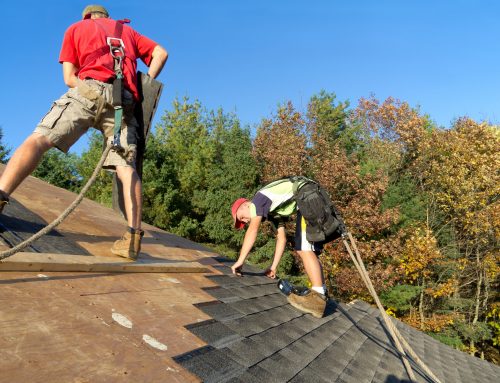
When many people think about roofing businesses, they picture crews installing shingles, trucks loaded with materials, and homeowners scheduling repairs or replacements. What often goes unnoticed is the sheer number of responsibilities carried out by the business owner behind the scenes.
Running a roofing company requires far more than industry knowledge or construction expertise. Owners frequently juggle a wide range of roles that extend well beyond the job site. From managing finances and overseeing employees to handling sales and customer service, the demands of leadership can quickly multiply.
As financial advisors who specialize in working with roofing business owners, we often see just how many hats these entrepreneurs must wear. Understanding these responsibilities and learning how to manage them effectively is an important step toward building a stronger, more sustainable company.
The Salesperson
For many roofing companies, the owner begins as the primary salesperson. They meet with homeowners, inspect roofs, prepare estimates, and explain the scope of work to potential clients.
Sales are the lifeblood of any business, and early on, the owner’s personal relationships and reputation often drive most new opportunities. While this hands-on approach can be effective, it also demands significant time and energy.
As the company grows, transitioning some of these responsibilities to a dedicated sales team can allow the owner to focus on broader leadership responsibilities.
The Project Manager
Once a job is secured, someone must ensure that the project runs smoothly. In many roofing companies, the owner takes on this responsibility as well.
Project management may include coordinating material deliveries, scheduling crews, monitoring weather conditions, and ensuring that each project meets quality standards. If challenges arise, such as delays, unexpected repairs, or customer concerns, the owner is often the one called to resolve them.
This level of involvement helps maintain quality but can become overwhelming as project volume increases.
The Financial Manager
Another critical hat worn by roofing business owners is financial management. Even if accounting tasks are handled by an external professional, the owner remains responsible for understanding the company’s financial health.
This role includes monitoring cash flow, reviewing expenses, managing payroll, and ensuring that jobs are priced correctly. Financial oversight is essential for maintaining profitability and planning for future growth.
Without a clear understanding of the numbers behind the business, it becomes difficult to make informed decisions about hiring, expansion, or investments.
The Human Resources Manager
Employees and subcontractors are at the heart of every roofing business. Recruiting, training, and retaining reliable team members is another responsibility that often falls on the owner.
Human resource duties may include interviewing candidates, resolving workplace issues, establishing safety protocols, and supporting employee development. Maintaining a positive workplace culture requires both leadership and consistency.
Strong teams are built through thoughtful hiring practices and ongoing communication, both of which demand attention from ownership.
The Marketing Director
Generating new leads is essential for maintaining a steady flow of projects. In many roofing companies, the owner plays a significant role in marketing efforts.
This may involve building relationships within the community, maintaining an online presence, managing advertising campaigns, or developing referral partnerships. A strong reputation and consistent brand visibility can help roofing businesses stand out in competitive markets.
Marketing strategies that are aligned with business goals can support long-term growth and stability.
The Problem Solver
Perhaps the most consistent role of a roofing business owner is that of problem solver. Unexpected issues arise regularly in construction like weather delays, supplier shortages, equipment breakdowns, and customer concerns.
Owners are often the first people employees and clients turn to when challenges occur. Being able to address problems quickly and calmly helps maintain both productivity and customer confidence.
While problem solving is an essential leadership skill, building strong systems and empowering team members can reduce the number of issues that require direct owner involvement.
Learning to Delegate
As roofing companies grow, one of the most important shifts an owner can make is learning to delegate responsibilities. Attempting to manage every aspect of the business personally can lead to burnout and limit the company’s ability to scale.
Developing capable managers, investing in training, and implementing clear operational systems can help distribute responsibilities more effectively. Delegation not only improves efficiency but also allows owners to focus on strategic decisions that shape the future of the company.
Final Thoughts
Running a roofing business requires wearing many hats, a salesperson, project manager, financial strategist, recruiter, marketer, and problem solver. Each of these roles contributes to the overall success of the company but balancing them can be challenging.
With thoughtful planning, strong leadership, and the support of a capable team, roofing business owners can manage these responsibilities more effectively. In doing so, they create businesses that are not only productive but also sustainable.
In the roofing industry, success is rarely the result of a single role. It comes from managing many responsibilities with focus, discipline, and a long-term vision for growth.